

Communication Design for Cybersecurity
Program Details
- Language: English
- Fees: €900
- Study Mode: Full-time / Part-time
- Registration Deadline: 30th September 2027
- Entry requirements:
- High school diploma or equivalent
- Basic computer literacy
- English Level B1 (CEFR) or equivalent
Study Access
About This Course
A captivating exploration into the human side of cybersecurity, blending design, psychology, and communication techniques. Discover the full spectrum of communication, extending beyond words to include multi-sensory design and innovative security solutions.
Program Outcomes
Analyse human biases exploited in attack scenarios; participate in role-plays to practise listening and effective outreach; examine communication in case studies of security incidents; and innovate an organisation’s cybersecurity repertoire.
Learning Objectives
Bu the end of the course students will:
- Acquire and demonstrate advanced knowledge of communication and design concepts to significantly enhance cybersecurity.
- Analyse human psychology as exploited in cyberattacks and develop multi-level counter-measures to strengthen organisational resilience.
- Apply design thinking, implication design, and multi-sensory approaches in projects to deliver immediate, practical impact in cybersecurity.
Micro Degree
- This course is offered as a micro degree.
- German UDS Micro Degrees are compatible with the European MOOC Consortiums Common Micro Credentials Framework.
- Micro Degrees will be rewarded with an equivalent of 5 ECTS.
- Micro Degrees are offered to non-regular students and require a fee of €900.
Requirements
None
Course Staff
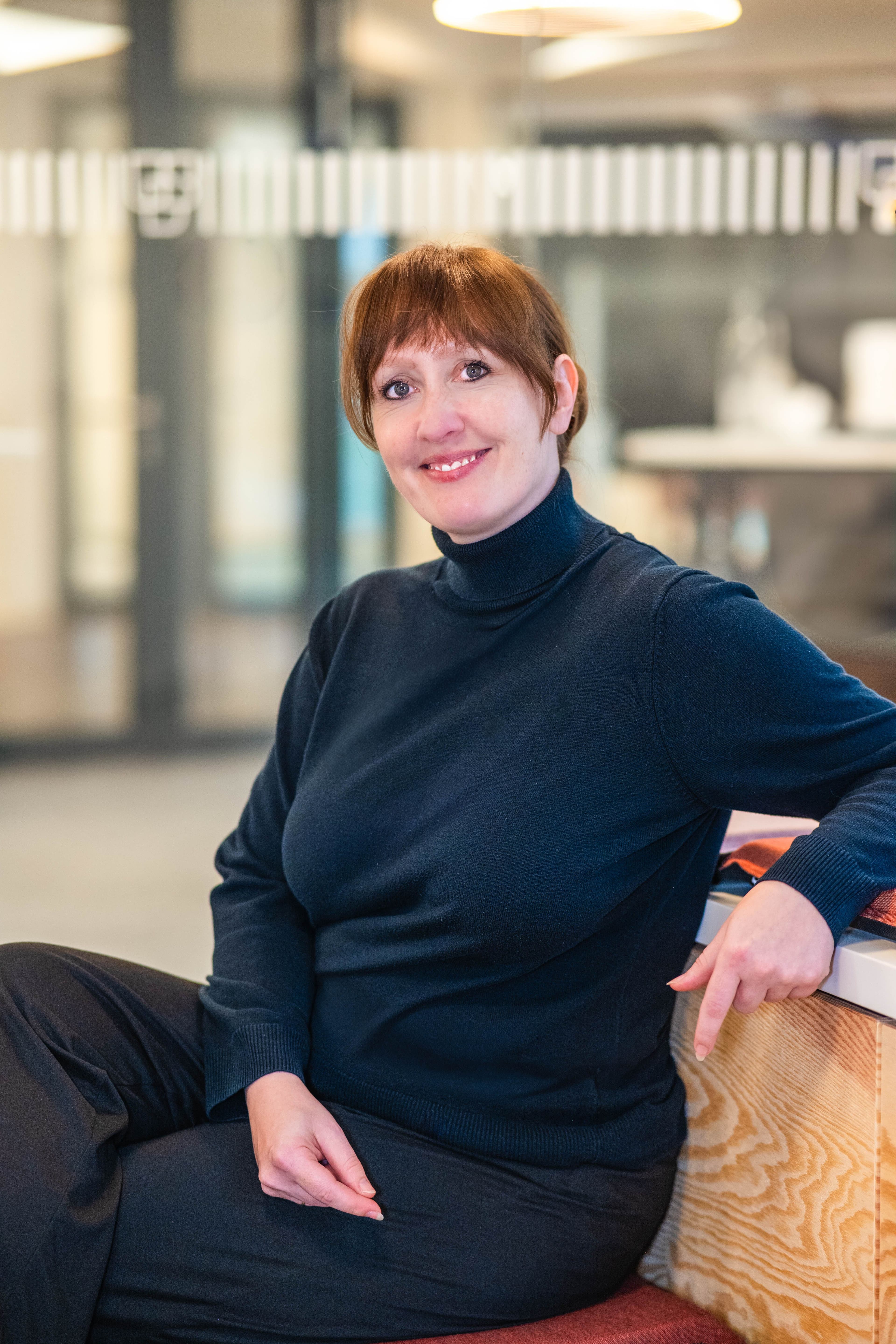
Prof. Dr. Julia von Thienen holds a PhD in psychology with a focus on neuroscience, computer science, and research methodology. At the German UDS, she leads the Chair of Design Thinking Research, developing a scientific understanding of how and why creativity, collaboration, and innovation work – and where they encounter challenges. The field of Neurodesign adds a further emphasis on physiological insights in this context. From 2008-2024, Julia worked at the Hasso Plattner Institute (Digital Engineering Department) at Potsdam University, where she headed the Neurodesign team. She was also closely involved in the Stanford-HPI Design Thinking Research Programme and the MIT-HPI Designing for Sustainability Programme.
Frequently Asked Questions
- No specific requirements
- Bachelor’s degree in a relevant field with a minimum grade of 2.5 (German system) or equivalent
- English: Minimum B2
For our study programs you can apply as follows:
- Micro-Degree Programs:
Micro-Degree programs can be booked directly on our Micro-Degree page. Simply browse our available Micro-Degrees and enroll immediately without any application process. - MBA and Master’s Programs:
01 Register/Login
Begin by creating an account.
After creating a new account, you’ll receive an email with a verification link. Click the link to verify your email address before proceeding.
If you already have an account, simply log in to continue.
02 Start Your Application
After filling out the form, be sure to check your email. You will receive a message from us containing a direct link to start your application.
Go to the “Start your Application!” and begin your application journey.
Note: This option becomes available only after completing the registration and login.
Master’s programs: €7,500 per year
Micro-Degrees: €900 per program
For full details, visit the official admissions page.
Computer (Windows or Mac) with webcam and microphone



.png&w=1080&q=75)